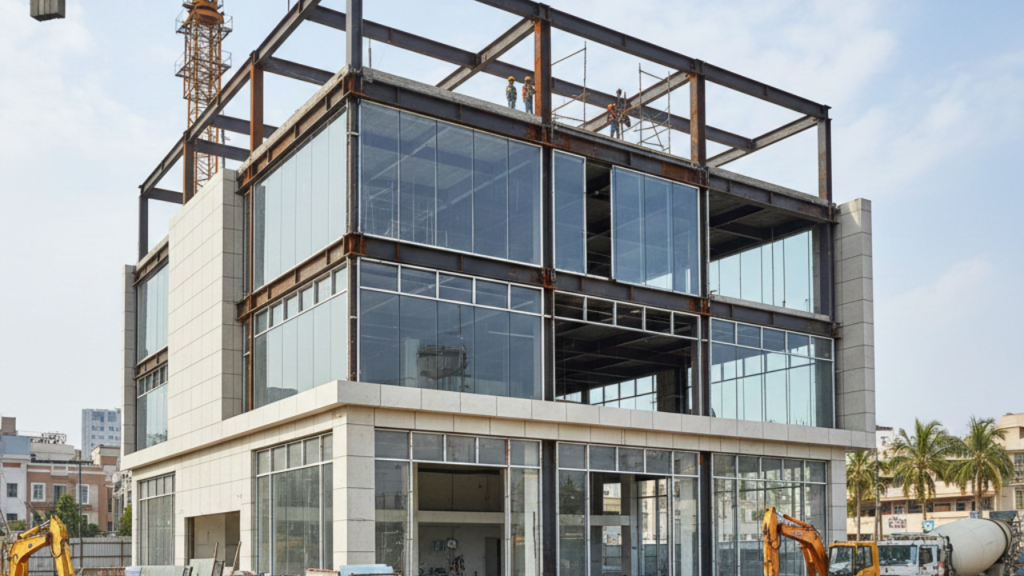
Basement construction has evolved from simple underground storage spaces to sophisticated, multi-functional areas that form the literal and figurative foundation of modern infrastructure. In today’s urban landscape, where space is at a premium and building demands continue to grow, basement construction represents a critical component of sustainable development and efficient land use. From residential homes to commercial skyscrapers, hospitals to data centers, the importance of well-designed and properly executed basement construction cannot be overstated.
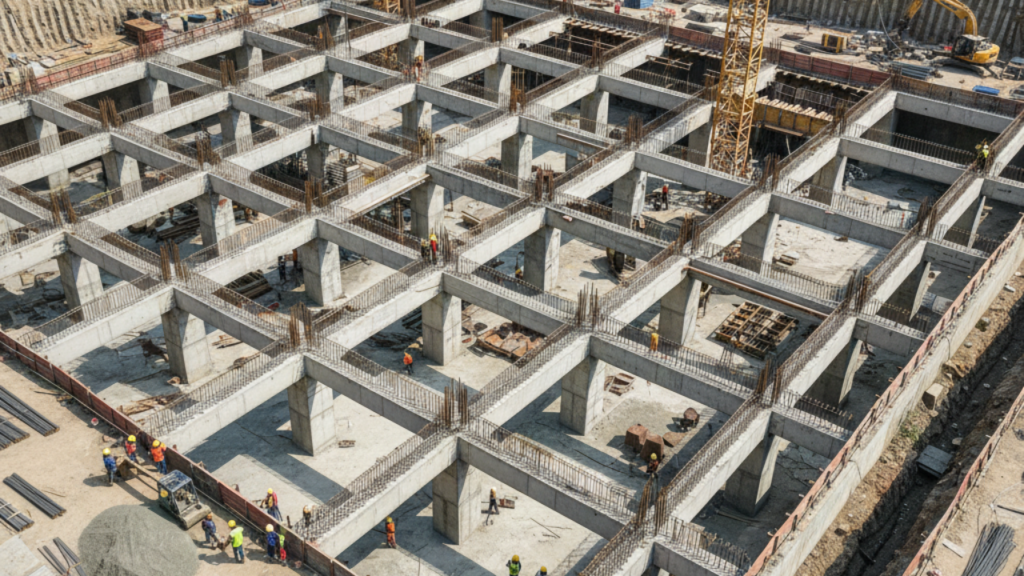
This comprehensive guide explores why construction serves as the backbone of modern infrastructure, examining the technical, economic, and practical aspects that make basements indispensable in contemporary building projects. Whether you’re a homeowner, developer, architect, or construction professional, understanding the fundamentals of basement construction is essential for creating durable, functional, and valuable structures that stand the test of time.
Understanding Basement Construction Fundamentals
Basement construction involves creating habitable or functional space below ground level, integrated with the building’s foundation system. According to building code standards, basements must meet specific requirements for ceiling height, egress, ventilation, and structural integrity. Modern basement construction techniques have transformed these below-grade spaces into valuable assets that enhance property functionality and value.
Types of Basement Construction
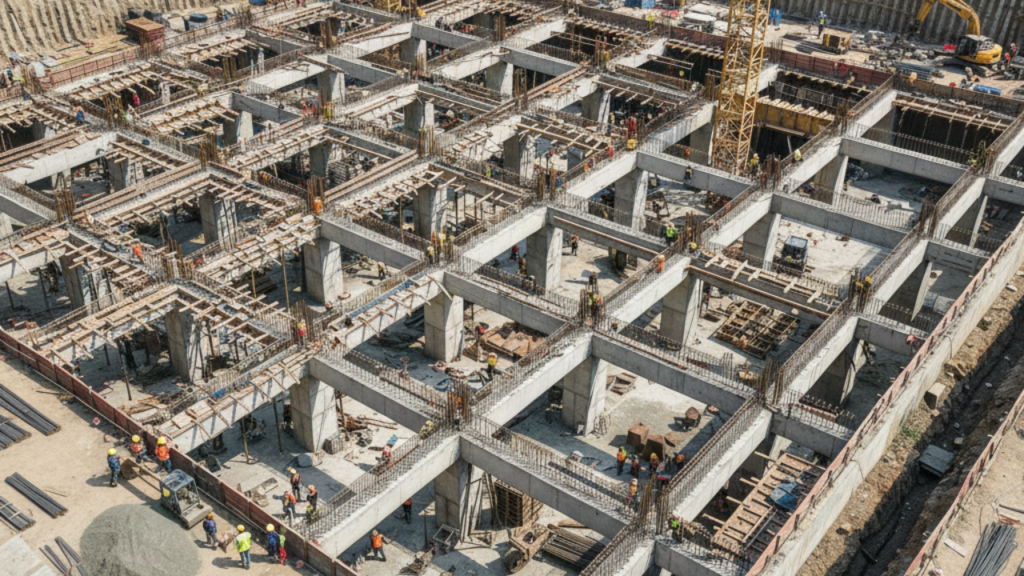
Understanding different basement types helps in planning appropriate construction strategies for specific projects and site conditions.
Full Basements: These extend under the entire footprint of the structure above, providing maximum usable space. Full basement construction is common in residential applications and smaller commercial buildings where the additional square footage significantly increases property value. The National Association of Home Builders reports that homes with full basements typically command 10-20% higher resale values than comparable homes without basements.
Partial Basements: Constructed under only a portion of the building, partial basements offer cost savings while still providing valuable below-grade space. This approach works well when site conditions vary across the property or when budget constraints limit full basement development.
Daylight or Walkout Basements: Built on sloped lots, these basements feature one or more walls fully above grade with windows and doors providing natural light and direct exterior access. Daylight construction creates highly desirable living spaces that feel less like traditional basements and more like additional main-floor areas.
Crawl Space Foundations: While not technically basements, crawl spaces represent a related foundation type. Understanding when to use crawl spaces versus full construction depends on soil conditions, water table levels, budget considerations, and functional requirements.
The Structural Importance of Basement Construction
Basement construction serves multiple critical structural functions that make it indispensable in modern infrastructure development.
Load Distribution and Foundation Support
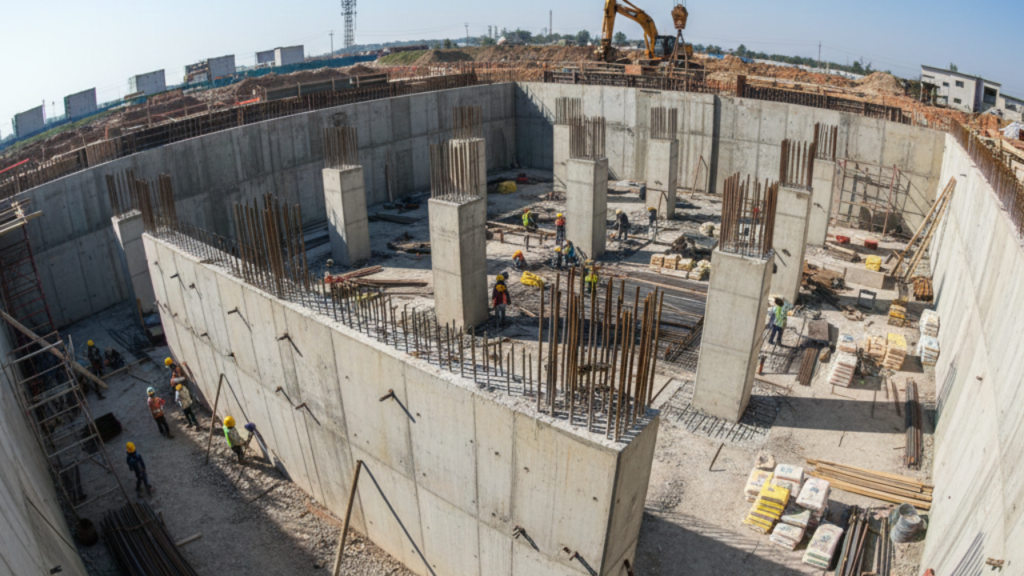
The primary structural purpose of basement construction is distributing building loads safely to the soil beneath. Basement foundations transfer loads from walls, floors, and roofs through foundation walls and footings into load-bearing soil or bedrock. Structural engineering principles require that foundation systems, including basement walls, must safely support all dead loads (permanent structural elements), live loads (occupants and furnishings), and environmental loads (wind, snow, seismic forces).
Foundation Wall Design: Basement walls in modern basement construction function as both vertical load-bearing elements and lateral earth retention structures. Concrete or concrete masonry unit (CMU) walls typically range from 8 to 12 inches thick for residential applications, while commercial and high-rise basement construction may require walls 18 to 36 inches thick or more.
Reinforcement design is critical in basement construction. Vertical and horizontal steel reinforcing bars resist tension forces from lateral soil pressure, seismic loads, and structural requirements. Proper reinforcement placement, concrete cover, and tie spacing ensure walls perform as designed for 50-100+ year service lives.
Foundation Footings: Spread footings beneath basement walls distribute concentrated loads over larger soil areas, reducing bearing pressure to levels soil can safely support. Footing width and thickness depend on soil bearing capacity, which geotechnical investigations determine during project planning. Poor soil conditions may require deeper footings, wider bearing areas, or specialized deep foundation systems like piles or caissons extending through weak soils to competent bearing strata.
Seismic and Lateral Resistance
In seismic regions, basement construction significantly enhances building stability and earthquake resistance. Basement walls act as shear walls, resisting lateral forces from earthquakes. The mass and rigidity of properly designed basement construction creates a stable base that reduces building movement during seismic events.
Modern basement construction in earthquake-prone areas incorporates special detailing including closely-spaced reinforcement, confined boundary elements, and connections designed to maintain integrity during extreme loading. The Federal Emergency Management Agency (FEMA) provides detailed guidance on seismic-resistant basement design.
Support for High-Rise Structures
For multi-story buildings and skyscrapers, basement construction becomes even more critical. High-rise structures generate enormous foundation loads that basement systems must safely transfer to the ground. Many tall buildings utilize multiple basement levels, with lower levels containing mechanical equipment, parking, and structural elements supporting the tower above.
Deep basement construction for high-rises often requires specialized techniques including diaphragm walls, secant pile walls, or soil nail systems for excavation support. Foundation systems may include mat foundations (thick concrete slabs distributing loads over large areas) or deep pile groups transferring loads to bedrock or dense soil layers far below the surface.
Basement Construction Methods and Techniques
Multiple construction methods exist for basement construction, each with specific applications, advantages, and limitations.
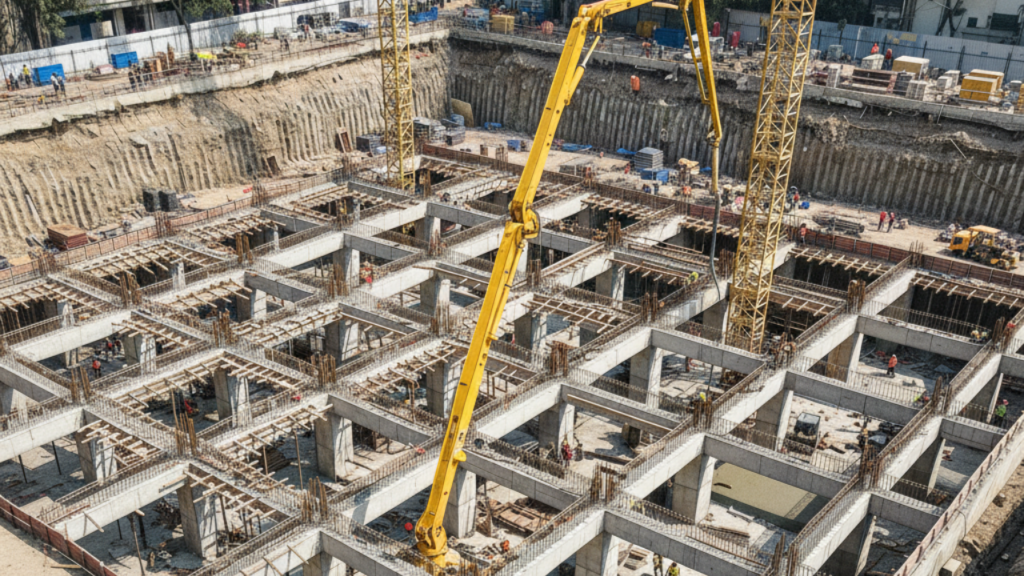
Cast-in-Place Concrete Construction
The most common basement construction method involves pouring concrete into formwork, creating monolithic walls and floors with excellent strength and water resistance.
Process Overview: Excavation to required depth, installing footings, erecting formwork (temporary structures supporting wet concrete), placing reinforcement steel, pouring and consolidating concrete, curing, and form removal. Cast-in-place basement construction allows complex shapes, integrated waterproofing details, and customization for specific project requirements.
Quality control is paramount in cast-in-place basement construction. Concrete must meet specified compressive strength (typically 3,000-4,000 psi for residential, higher for commercial applications), proper reinforcement placement must be verified before pouring, consolidation eliminates air pockets and ensures concrete fills formwork completely, and adequate curing maintains moisture for proper strength development.
Modern basement construction increasingly uses insulated concrete forms (ICFs) that remain in place after concrete placement, providing both formwork and continuous insulation. ICF construction improves energy efficiency while simplifying the building process.
Concrete Masonry Unit (CMU) Construction
CMU basement construction uses concrete blocks laid in running bond patterns, creating walls through individual unit placement rather than monolithic poured construction.
Advantages: Lower labor skill requirements compared to formwork carpentry, flexibility for construction scheduling (can be built incrementally), and easier accommodation of penetrations and openings. CMU walls must be properly reinforced with vertical rebar in cells (hollow cores) filled with grout, and horizontal joint reinforcement or bond beams at specified intervals.
CMU basement construction requires excellent waterproofing since mortar joints present potential water infiltration paths. Proper joint tooling, dampproofing coatings, and drainage systems prevent moisture problems.
Precast Concrete Basement Systems
Precast basement construction uses factory-manufactured concrete panels transported to sites and erected using cranes. This approach offers speed advantages and consistent quality control from factory production.
System Types: Large panel systems using full-height wall panels, modular systems with smaller interlocking units, and hybrid approaches combining precast walls with cast-in-place floors. Connection details between panels critically impact structural performance and waterproofing effectiveness.
Precast basement construction requires careful planning for panel sizes, transportation logistics, crane access, and site conditions. The Precast/Prestressed Concrete Institute provides design and installation standards.
Specialized Deep Basement Construction
Urban development and high-rise projects increasingly require deep basement construction extending 30, 50, or even 100+ feet below grade. These projects present unique challenges requiring specialized excavation support systems.
Excavation Support Methods: Soldier pile and lagging uses steel H-piles driven or drilled at intervals with wood lagging spanning between piles as excavation progresses. Sheet piling employs interlocking steel sheets driven to form continuous walls. Diaphragm walls are reinforced concrete walls cast in trenches using specialized equipment. Secant pile walls use overlapping drilled piers creating continuous barriers.
Deep basement construction must address groundwater management, adjacent structure protection, and enormous earth pressures. Dewatering systems lower groundwater during construction, ground freezing temporarily solidifies soil in challenging conditions, and structural monitoring ensures nearby buildings remain stable during excavation.
Waterproofing: The Critical Component of Basement Construction
Water infiltration represents the most common and damaging problem in basement construction. Effective waterproofing systems are non-negotiable for long-term basement performance.
Understanding Water Sources and Pathways
Water threatens basement construction from multiple sources including groundwater from surrounding soil, surface water from rainfall and runoff, and capillary action drawing moisture through concrete pores. The American Concrete Institute provides detailed guidance on basement waterproofing best practices.
Water Entry Points: Construction joints where separate concrete pours meet, cold joints between footings and walls, form tie holes from concrete formwork, utility penetrations through walls and floors, and cracks from shrinkage, settlement, or structural movement.
Waterproofing Systems and Methods
Comprehensive waterproofing is essential in all basement construction projects, with system selection depending on water exposure, building use, and budget considerations.
Dampproofing vs. Waterproofing: Dampproofing using asphalt-based coatings provides minimal moisture resistance, suitable only for dry sites with good drainage. True waterproofing using membranes or cementitious systems prevents water infiltration under hydrostatic pressure, required for most basement construction applications.
External Membrane Waterproofing: Applied to exterior basement walls before backfilling, these systems provide primary water barriers. Sheet membranes including rubberized asphalt, PVC, or HDPE offer excellent protection with proper installation. Liquid-applied membranes spray or roll onto prepared surfaces, creating seamless barriers that accommodate substrate irregularities.
External waterproofing in basement construction requires proper surface preparation (clean, smooth concrete free of protrusions), protection boards over membranes preventing damage during backfilling, and careful detailing at penetrations, corners, and transitions.
Drainage Systems: Even with excellent waterproofing, basement construction should include drainage to reduce hydrostatic pressure against walls. Perimeter drain tiles (perforated pipes in gravel beds) collect groundwater and direct it away from foundations. Drainage boards create air gaps between soil and walls, providing water pathways to drain systems. Sump pumps remove collected water when gravity drainage isn’t feasible.
Interior Waterproofing: While less desirable than external systems, interior waterproofing may be necessary in remedial situations or when exterior access is impossible. Interior basement construction waterproofing includes crystalline waterproofing admixtures added to concrete during mixing, cementitious coatings applied to interior wall surfaces, and interior drainage systems with sump pumps managing water that penetrates walls.
Vapor Barriers and Moisture Control
Beyond liquid water infiltration, basement construction must address water vapor transmission that causes dampness, musty odors, and material degradation.
Under-Slab Vapor Barriers: Polyethylene sheeting (minimum 10-mil thickness) under basement floors prevents soil moisture from entering through slabs. Proper installation with sealed seams and protection from punctures during concrete placement ensures effectiveness.
Dehumidification Systems: Occupied basement spaces benefit from mechanical dehumidification maintaining relative humidity below 50-60%, preventing mold growth and improving comfort. Whole-house ventilation systems integrated with basement construction improve air quality while managing moisture levels.
Basement Construction for Different Building Types
Basement construction requirements vary significantly based on building use, occupancy, and functional needs.
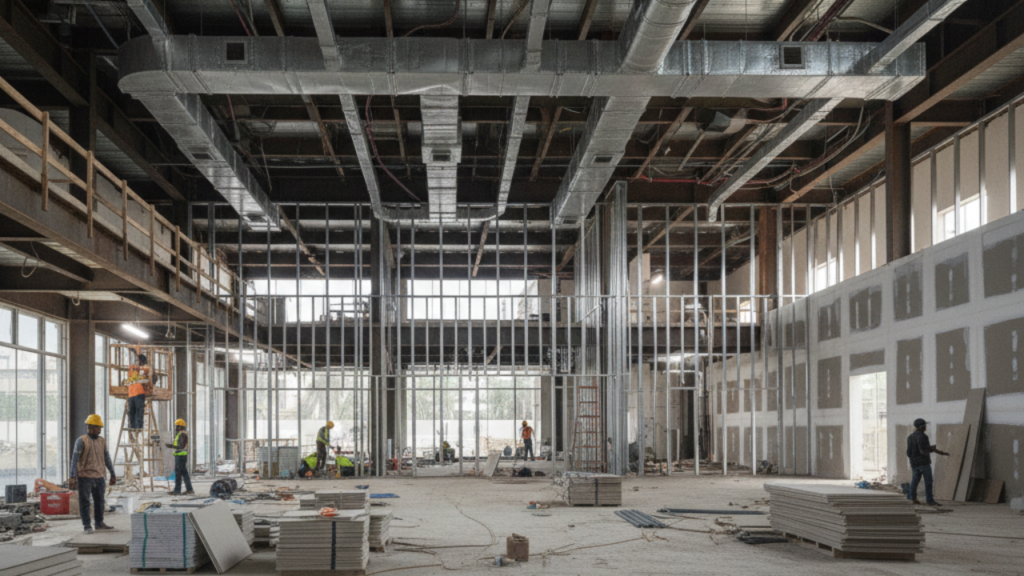
Residential Basement Construction
Home basement construction has evolved from simple storage cellars to sophisticated living spaces adding significant square footage and value. Modern residential basements commonly house family rooms, bedrooms, home offices, home theaters, gyms, and wine cellars.
Code Requirements: Residential basement construction must meet IRC (International Residential Code) requirements including minimum 7-foot ceiling height for habitable spaces, emergency egress windows in sleeping rooms, means of escape to the exterior, adequate natural or mechanical ventilation, and proper fire separation from garages or other hazards.
Finishing Considerations: Moisture-resistant materials essential in basement construction include pressure-treated or steel framing that won’t rot, mold-resistant drywall or cement board, waterproof flooring materials, and low-VOC finishes protecting indoor air quality. Insulation strategies depend on climate, with exterior rigid foam or interior batt insulation controlling heat loss and preventing condensation.
Commercial Basement Construction
Commercial basement construction accommodates diverse functions including retail spaces, restaurants and food service, office areas, storage and warehousing, mechanical and electrical equipment rooms, and parking facilities.
Loading Dock and Service Access: Commercial basement construction often requires vehicle access for deliveries, trash removal, and equipment service. Ramped drives, loading docks, and adequate turning radii must be planned during initial design. Structural floor systems must support concentrated vehicle loads significantly exceeding typical floor loading.
Life Safety Systems: Commercial occupancy requires enhanced fire protection including automatic sprinkler systems, fire alarm and detection systems, illuminated exit signs and emergency lighting, fire-rated construction separating different uses, and smoke control systems in large basement areas.
Industrial and Data Center Basement Construction
Specialized facilities like data centers, laboratories, and manufacturing have unique basement construction requirements driven by operational needs.
Heavy Equipment Support: Industrial basement construction must support concentrated loads from machinery, storage racks, and process equipment. Thicker slabs, increased reinforcement, and deeper foundations accommodate these demands. Vibration isolation systems protect sensitive equipment and prevent structure-transmitted noise.
Environmental Control: Critical facilities require redundant HVAC systems, backup power generation, and precise humidity control. Basement construction for these applications incorporates larger mechanical spaces, increased electrical capacity, and raised access floors for underfloor air distribution.
Security Considerations: Secure facilities benefit from basement construction providing inherent security through controlled access points, limited visibility from exterior, blast resistance from earth coverage, and electromagnetic shielding from surrounding soil and concrete.
Building Systems Integration in Basement Construction
Successful basement construction requires coordinating multiple building systems for optimal performance and maintainability.
Mechanical Systems
Basements commonly house HVAC equipment serving entire buildings, taking advantage of protected locations away from weather exposure and out of valuable above-grade space.
HVAC Considerations in Basement Construction: Equipment rooms require adequate ceiling height for equipment and service access, structural support for heavy equipment loads, vibration isolation preventing noise transmission, adequate ventilation for combustion equipment, and condensate drainage from cooling equipment.
Distribution systems from basement construction mechanical rooms include ductwork requiring proper sizing and routing, refrigerant piping for split systems, hydronic piping for radiant or boiler systems, and control wiring for system operation.
Electrical Systems
Basement construction typically incorporates main electrical services and distribution equipment protecting these critical components from exterior threats while providing central locations for distribution throughout buildings.
Electrical Requirements: Service entrance equipment and main disconnects, distribution panels feeding various building areas, emergency and standby power systems, telecommunications and data infrastructure, and adequate lighting for safe navigation and task performance.
Plumbing Systems
Basement basement construction presents unique plumbing challenges, particularly for fixtures and drains below sewer elevation.
Below-Grade Plumbing: Sewage ejector pumps lift wastewater from basement fixtures to gravity drainage systems. Proper installation includes duplex pumps for redundancy, check valves preventing backflow, and vent systems meeting plumbing codes. Backwater valves prevent sewer backup into basements during main line blockages or surcharge events.
Water Supply: Basement basement construction requires protection against freezing for water supply lines near exterior walls, pressure regulation for fixtures at lower elevations, and backflow prevention for utility connections.
Cost Considerations in Basement Construction
[Image: “basement-construction-cost-estimation.jpg” | Alt text: “Basement construction project showing cost factors and budget planning”]
Understanding cost factors helps in budgeting and decision-making for basement construction projects.
Construction Cost Factors
Basement construction costs vary widely based on multiple factors. Excavation depth and soil conditions significantly impact costs, with rock excavation costing 5-10 times more than soil excavation. Groundwater management adds substantial costs when dewatering is required. Wall height affects concrete volume, reinforcement quantities, and formwork requirements.
Site accessibility influences equipment mobilization costs and construction efficiency. Urban basement construction with limited site access costs more than open sites allowing efficient equipment operation. Foundation type affects costs, with simple spread footings being most economical and pile foundations adding significant expense.
Typical Cost Ranges: Basic unfinished basement construction (walls, floor, rough utilities) averages $50-75 per square foot in many markets. Finished basement spaces with framing, drywall, flooring, and systems cost $100-150 per square foot for standard finishes. High-end residential basement construction with luxury finishes, bars, theaters, or pools can exceed $200-300 per square foot.
Return on Investment
Basement construction generally provides excellent returns on investment through multiple value drivers. Added living space increases home values typically by 70-80% of construction costs in residential applications. Functional improvements like additional bedrooms, bathrooms, or entertainment spaces enhance marketability. Energy efficiency from basement thermal mass reduces heating and cooling costs. Storage capacity reduces clutter in main living areas, improving home organization and appeal.
For commercial properties, basement construction provides rental income potential, reduced footprint on expensive land, operational efficiency from centralized utilities, and long-term asset value protection.
Sustainability and Energy Efficiency in Basement Construction
Modern basement construction increasingly incorporates sustainable design principles reducing environmental impact and operational costs.
Thermal Performance
Basements interact thermally with both buildings above and ground below. Proper insulation strategies in basement construction significantly impact whole-building energy performance.
Insulation Approaches: Exterior insulation applied during basement construction provides optimal thermal performance by placing insulation outside the structural wall, maintaining warm interior wall surfaces that resist condensation. Continuous exterior insulation eliminates thermal bridging through structural elements. Products include rigid foam boards (XPS, EPS, or polyiso) providing R-10 to R-20+ depending on thickness.
Interior insulation works in retrofit situations or when exterior application isn’t feasible. Framed walls with batt insulation, rigid foam against walls with finished surfaces, or spray foam insulation provide thermal barriers. Interior approaches require vapor control preventing condensation on cold concrete surfaces behind insulation.
Thermal Mass Benefits: Concrete in basement construction provides substantial thermal mass that moderates temperature swings and reduces heating/cooling loads. The Department of Energy recognizes thermal mass as an energy efficiency strategy, particularly effective in climates with large day/night temperature variations.
Sustainable Materials and Practices
Environmentally responsible basement construction considers material selection, construction waste reduction, and resource conservation.
Material Choices: Concrete mixes with supplementary cementitious materials (fly ash, slag cement, silica fume) reduce embodied carbon while maintaining or improving performance. Recycled content in reinforcement steel, insulation, and finishes reduces environmental impact. Locally sourced materials minimize transportation emissions.
Construction Waste Management: Basement construction generates significant waste including excavated soil, concrete washout, formwork materials, and packaging. Progressive contractors implement waste reduction through material optimization, on-site recycling programs, and donation of usable materials.
Radon Mitigation
Radon, a naturally occurring radioactive gas, can accumulate in basements, creating health hazards. The Environmental Protection Agency (EPA) recommends radon-resistant basement construction techniques including sub-slab depressurization systems with gravel layers, vapor barriers, and vent pipes.
Future Trends in Basement Construction
Basement construction continues evolving with new technologies, materials, and applications emerging regularly.
Advanced Materials and Methods
Fiber-reinforced concrete in basement construction improves crack resistance and durability. Self-healing concrete with bacteria or chemical capsules automatically seals minor cracks, extending service life. Ultra-high-performance concrete achieves compressive strengths exceeding 20,000 psi, allowing thinner sections and longer spans.
Modular and prefabricated basement construction using factory-built components improves quality control and reduces on-site construction time. 3D-printed concrete elements may revolutionize custom basement construction, creating complex forms impossible with conventional methods.
Smart Basement Systems
Technology integration in basement construction includes moisture monitoring systems with sensors detecting leaks early, automated sump pump systems with battery backup and remote monitoring, climate control systems optimized through artificial intelligence, and integrated home automation controlling lighting, security, and environmental systems.
Resilient Design
Climate change increases flood risks, making resilient basement construction increasingly important. Elevated mechanical equipment, flood-resistant materials and construction methods, enhanced waterproofing and drainage capacity, and emergency power systems ensure continued functionality during extreme weather events.
Common Problems and Solutions in Basement Construction
Even well-executed basement construction can face challenges. Understanding common issues helps prevent problems or address them effectively.
Problem – Water Infiltration: Despite waterproofing efforts, some basements experience moisture problems. Solutions include installing or improving drainage systems, applying interior sealants or crystalline treatments, improving grading around buildings, and installing vapor barriers on floors.
Problem – Structural Cracks: Settlement, shrinkage, or structural movement causes cracks in basement construction. Minor cosmetic cracks require only sealing and monitoring. Structural cracks need professional engineering evaluation and may require underpinning, helical anchors, or carbon fiber reinforcement.
Problem – Poor Indoor Air Quality: Basements can develop musty odors or air quality issues. Solutions include mechanical ventilation systems, dehumidification, sealing moisture sources, and using low-VOC materials during finishing.
Problem – Insufficient Headroom: Older basement construction may have inadequate ceiling heights for modern uses. Solutions include underpinning to lower floors (expensive but effective), ceiling system optimization using exposed structure, and selective lowering in specific areas.
Best Practices for Successful Basement Construction
Drawing from industry experience and research, these best practices improve basement construction outcomes:
Comprehensive Planning: Invest in thorough geotechnical investigations identifying soil conditions, groundwater levels, and bearing capacity before design. Consider future uses during initial basement construction, even if finishing occurs later. Plan utility locations and capacity exceeding immediate needs, accommodating future expansion.
Quality Over Cost-Cutting: Don’t compromise waterproofing systems as remediation costs far exceed prevention. Use specified concrete mixes and proper curing procedures ensuring design strength achievement. Properly placed and consolidated concrete prevents future problems.
Professional Design and Construction: Engage experienced structural engineers familiar with basement construction challenges. Use qualified contractors with basement-specific experience and proper insurance. Conduct regular inspections ensuring compliance with plans and specifications.
Long-Term Maintenance Planning: Establish monitoring programs for groundwater management systems. Schedule regular inspections of waterproofing and drainage. Maintain proper grading directing water away from foundations. Address minor issues promptly preventing escalation into major problems.
Conclusion
Basement construction truly serves as the backbone of modern infrastructure, providing essential foundation support while creating valuable functional space below grade. From structural load distribution to seismic resistance, from space efficiency to sustainability benefits, properly designed and executed basement construction delivers multiple advantages that justify investment and complexity.
As urban density increases and land costs rise, the importance of basement construction will only grow. Advances in materials, construction methods, and waterproofing technologies continue improving basement performance while reducing costs and construction time. Whether for residential, commercial, or specialized applications, basement construction represents a critical infrastructure component that literally supports everything built above it.
Success in basement construction requires understanding geological conditions, selecting appropriate construction methods, implementing effective waterproofing systems, integrating building systems properly, and planning for long-term maintenance. By following established best practices and working with experienced professionals, developers and property owners can create basement spaces that enhance property value, improve functionality, and provide reliable service for generations.
The next time you enter a building, consider the unseen basement construction below supporting it all—truly the backbone upon which modern infrastructure depends. For additional information on foundation engineering and basement construction standards, consult resources from the American Society of Civil Engineers or engage qualified professionals specializing in foundation and basement design.
Related Topics:
Waterproofing systems and techniques
Residential basement finishing
Commercial Showroom Construction: Design Meets Durability
Road Construction Standards in India: What Makes a Road Long-Lasting?